


Last week, domestic steel market prices continued to decline sharply and accelerated, with the extent of the drop further widening. The price inversion for almost all steel varieties and specifications deepened increasingly. The transaction prices of upstream raw and fuel products began to loosen and fall, with the cash transaction price of steel billet products dropping below 4,700 yuan per ton. Internationally, steel market prices remained stable with a weak trend, and pressure on the market outlook is gradually mounting. For example, U.S. steel inventories continued to grow, increasing by 2% month-on-month, with the largest growth seen in medium and thin plates, reaching 6.9% and 2.4% respectively, indicating sluggish demand in the international steel market. Trade frictions in the international steel market have also begun to emerge. Starting in September, Ukraine imposed a final anti-dumping duty of 123% on steel cables and wire ropes from China, which has a significant impact on the domestic steel market. Additionally, from the 20th, China raised the export tax rate on coke by 15 percentage points to 40%, while potentially canceling the 5% export tax rebate for alloy steel products. This policy adjustment acts like a "double-edged sword." Not only does it create a shortage of international coke resources, potentially reducing international steel production or pushing up steel prices due to rising costs, but it also increases the difficulty of exporting steel products. However, in the context of a sluggish domestic steel market and continuously hitting new lows in steel prices, this may further stimulate the enthusiasm for exporting steel products, alleviating and balancing the supply-demand relationship in the domestic steel market.
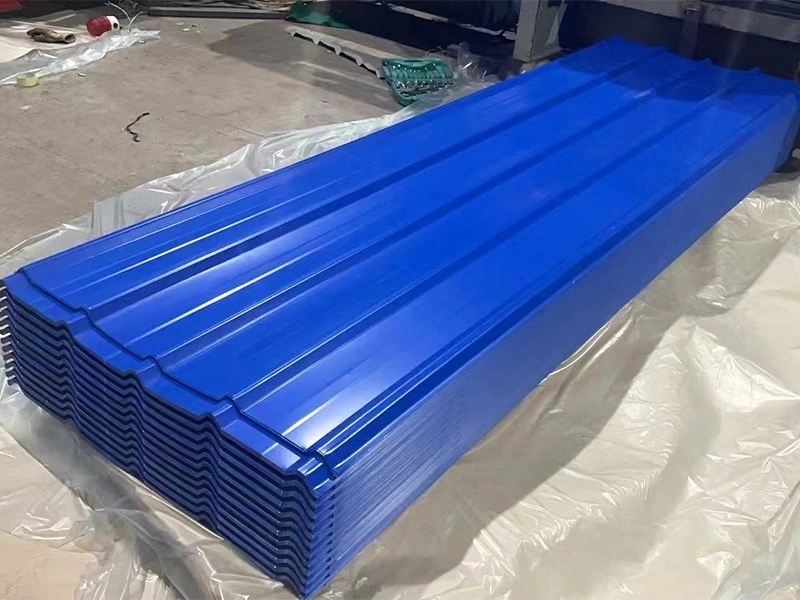
The transaction prices of welded pipe products in the market experienced a significant overall decline. In the Tangshan area, the market transaction price was 5,250 yuan per ton, down by 50 yuan per ton; in Shanghai, the market price was 5,450 yuan per ton, down by 170 yuan per ton.
The market prices of steel billet products saw a significant overall decline, with poor transaction volumes. In the Tangshan area, the transaction price for plain carbon square billets was 4,900 yuan per ton, down by 150 yuan per ton, while the price for low-alloy square billets was 5,050 yuan per ton, also down by 150 yuan per ton.
The transaction prices of section steel products in the market experienced a significant overall decline. For channel steel products, the market price in Tangshan was 5,200 yuan per ton, down by 300 yuan per ton; in Shanghai, the market price was 5,140 yuan per ton, down by 130 yuan per ton; in Changsha, the market price was 5,550 yuan per ton, down by 100 yuan per ton; and in Guangzhou, the market price was 5,350 yuan per ton, down by 200 yuan per ton.
Based on the current operation of the domestic steel market, the momentum of price declines is quite substantial, having reached the highest level of single-week declines. Market sentiment has deteriorated severely, plunging the market into a state of extreme panic. Due to the serious inversion between market prices and steel mill prices, while the market is highly focused on the price policies of steel mills, there is also the possibility of malicious suppression of market prices, causing market prices to continuously hit new lows, even though actual transaction volumes are not very large. The decline in market prices was expected before the steel mills' price policies were announced. As the end of the month approaches, steel mills will successively release settlement price policies for August and price policies for September. Once steel mills adjust their price policies reasonably, the market prices for these products may gradually stabilize. However, for products that remain inverted, transaction prices may continue to fluctuate and adjust. Therefore, it is expected that domestic steel market prices this week will still undergo weak and minor adjustments, while accumulating market momentum for future stability and moderate recovery.
